
One in five men worldwide has a high-risk HPV infection. Experts highlight the importance of vaccination and Romania’s low vaccination coverage.
Romanians Return to Prevention: Strong Rise in Vaccinations in 2025, According to CNAS Data

Adaugă Medic24 în sursele preferate Google
CNAS data show major increases in vaccination in 2025, including +49% for HPV and +121% for meningococcal vaccines, signalling renewed trust in prevention.
Interest in vaccination is once again on the rise in Romania, and new data from the National Health Insurance House (CNAS) show a solid mobilisation in the first nine months of 2025. CNAS President Horațiu Moldovan reports a strong resurgence in public confidence in immunisation, reflected across all vaccine categories dispensed through community pharmacies on prescription.
Compared with the same period in 2024, all monitored vaccines recorded significant growth. In 2025, a total of 124,820 HPV vaccine doses were administered, up from 83,824 last year—a nearly 49% increase. Meningococcal vaccination more than doubled, with 2,695 people immunised compared with 1,218 in 2024 (+121%). Pneumococcal vaccination rose by 27%, reaching 26,779 recipients. Hepatitis B vaccination also increased markedly, with 1,806 doses administered this year compared with 1,007 in 2024—up 80%.
CNAS reimbursed over 111.1 million lei for vaccines dispensed in the first nine months of 2025, of which 87 million lei covered HPV vaccines, which continue to be among the most requested.
Horațiu Moldovan emphasises that these figures send a strong message amid rising medical misinformation: more and more Romanians are choosing prevention based on accurate, professional information. According to him, the growing demand for vaccines reflects both parents’ concern for their children’s health and the interest of active and chronically ill adults in protecting themselves from preventable diseases.
The CNAS President also stresses the central role of family doctors in immunisation. Assessing medical history, identifying risks, performing proper pre-vaccination examination, and monitoring post-vaccination reactions are, in his view, steps that can only be carried out safely in the doctor’s office.
Moldovan notes that expanding prevention services is a shared priority with the Ministry of Health, particularly through support measures and increased payments for preventive consultations. Strengthening the relationship between patients and the healthcare system is essential, he says, to maintain the upward vaccination trend and to reduce the long-term pressure on the health system.
Medic24 - Romania's healthcare system at a glance

Romania introduces new medical fitness rules for obtaining and renewing driving licences from 6 November 2026. What changes for drivers and doctors?
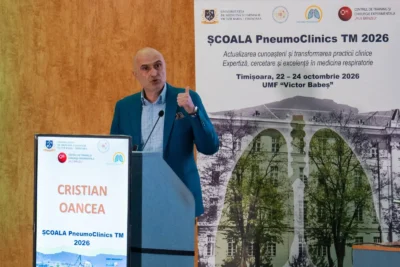
Dr. Cristian Oancea warns that persistent coughing in smokers may be a sign of lung cancer. Learn which warning signs require medical investigation.

Romania’s Parliament approves the Luca Niculescu government. Alexandru Rogobete is set to return as Health Minister, with healthcare funding and CNAS reform among his priorities.

Influenza vaccines for the 2026–2027 season in Romania: trivalent formulations, age groups, doses, contraindications, reimbursement and storage requirements.
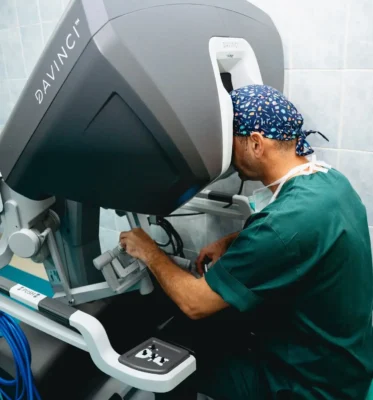
Cluj Oncology Institute has completed its 100th robot-assisted operation, performed on a 59-year-old woman with rectal cancer by dr. Cătălin Vlad’s team.