
One in five men worldwide has a high-risk HPV infection. Experts highlight the importance of vaccination and Romania’s low vaccination coverage.
Prof. Univ. Dr. Cristian Oancea: Smoker’s Cough May Be a Sign of Lung Cancer
Adaugă Medic24 în sursele preferate Google
Dr. Cristian Oancea warns that persistent coughing in smokers may be a sign of lung cancer. Learn which warning signs require medical investigation.
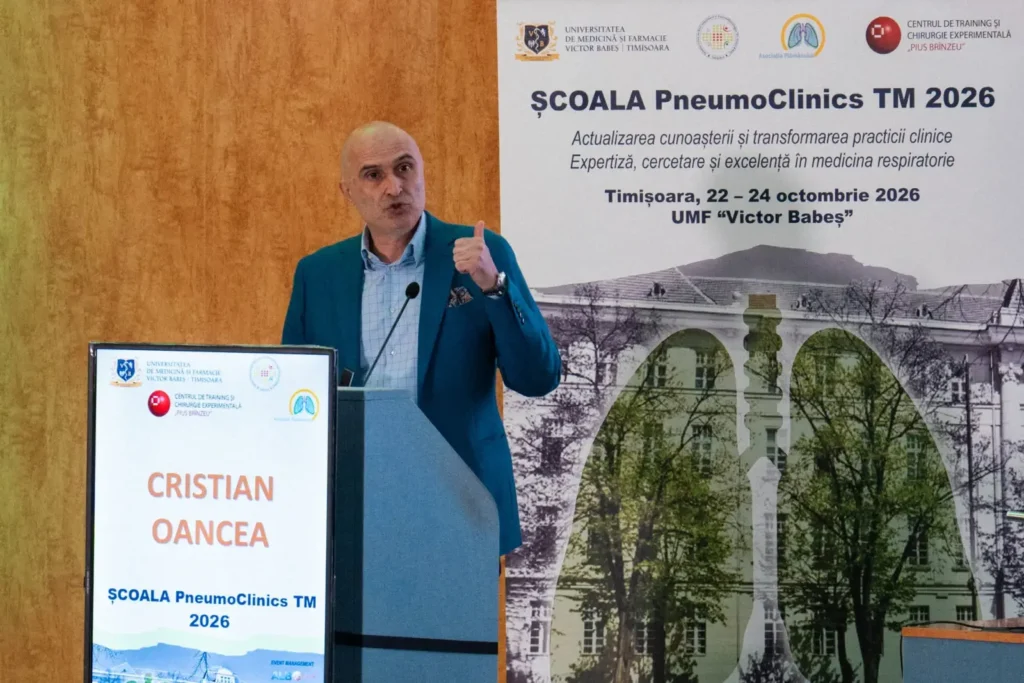
A persistent cough, often considered a normal symptom by smokers, may be a sign of serious conditions, including lung cancer. Professor Cristian Oancea, MD, PhD, warned about the risk of overlooking the early signs of a lung tumour during the PneumoClinics TM 2026 conference, held in Timișoara, Romania, from 22 to 24 October.
The pulmonologist discussed the relationship between chronic bronchitis, persistent coughing and lung cancer, emphasising that patients becoming accustomed to respiratory symptoms may delay seeking medical attention and receiving a diagnosis.
“I have encountered many smokers who consider their morning cough something normal and no longer see it as a cause for concern. However, behind this seemingly harmless ‘morning cough’, there may be a serious condition, including lung cancer,” Dr. Cristian Oancea explained.
Chronic bronchitis and lung cancer may share similar symptoms
Chronic bronchitis is characterised by persistent inflammation of the bronchi and excessive mucus production. Its main symptom is a productive cough, accompanied by sputum, often more pronounced in the morning.
From a medical perspective, a cough lasting more than eight weeks is considered chronic. However, this definition does not mean that patients should wait two months before seeking medical evaluation.
According to Dr. Cristian Oancea, the problem is particularly relevant among smokers who have been coughing for years and may fail to notice changes in their usual symptoms.
Chronic bronchitis does not mean that a patient has cancer, nor does it inevitably progress to a malignancy. However, the two conditions may present with similar symptoms, while smoking is a major risk factor for both.
Which warning signs require medical investigation?
The physician identified several changes and symptoms that should prompt medical evaluation:
- A change in the usual pattern of coughing;
- An increase in the frequency or intensity of coughing;
- Blood in the sputum (haemoptysis);
- Shortness of breath;
- Chest pain;
- Unexplained weight loss;
- Recurrent respiratory infections.
These symptoms require prompt medical assessment, particularly in people who currently smoke or have a long history of smoking.
A particularly important warning sign is the presence of blood in the sputum, which requires investigation to identify the underlying cause, including imaging examinations when malignancy is suspected.
Early diagnosis can improve survival prospects
Dr. Cristian Oancea emphasised the importance of detecting lung cancer at the earliest possible stage, when treatment options and prognosis may be more favourable.
In this context, the physician warned that a persistent cough should not automatically be attributed to smoking or chronic bronchitis without assessing other possible causes.
For family physicians and general practitioners, this message is particularly relevant when evaluating patients who smoke, especially those experiencing recent changes in respiratory symptoms. Recognising warning signs and referring patients for further investigations may help reduce diagnostic delays.
The statements were made during the PneumoClinics TM 2026 School, a scientific event dedicated to updating knowledge and clinical practice in respiratory medicine. The conference brought together pulmonologists and specialists from related medical fields, including family medicine, in Timișoara.
Medic24 - Romania's healthcare system at a glance

Romania introduces new medical fitness rules for obtaining and renewing driving licences from 6 November 2026. What changes for drivers and doctors?
Dr. Cristian Oancea warns that persistent coughing in smokers may be a sign of lung cancer. Learn which warning signs require medical investigation.
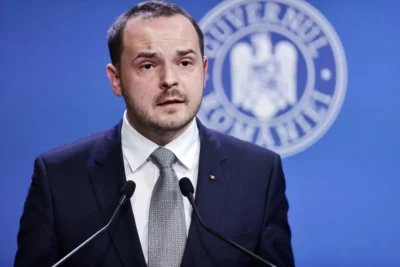
Romania’s Parliament approves the Luca Niculescu government. Alexandru Rogobete is set to return as Health Minister, with healthcare funding and CNAS reform among his priorities.

Influenza vaccines for the 2026–2027 season in Romania: trivalent formulations, age groups, doses, contraindications, reimbursement and storage requirements.
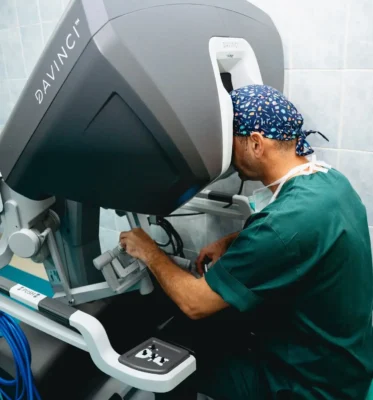
Cluj Oncology Institute has completed its 100th robot-assisted operation, performed on a 59-year-old woman with rectal cancer by dr. Cătălin Vlad’s team.