
One in five men worldwide has a high-risk HPV infection. Experts highlight the importance of vaccination and Romania’s low vaccination coverage.
APAH-RO: Millions of Romanians have undiagnosed fatty liver disease. MASLD/MASH, a major cardiovascular risk factor

Adaugă Medic24 în sursele preferate Google
APAH-RO warns that millions of Romanians have undiagnosed fatty liver disease. MASLD/MASH increases cardiovascular risk and requires integration into national screening strategies.
The Romanian Association of Patients with Liver Diseases (APAH-RO) warns that an increasing number of Romanians are living with fatty liver disease without being diagnosed, in the context of the rising prevalence of metabolic dysfunction–associated steatotic liver disease (MASLD/MASH). The message was delivered at the launch of the “Healthy Liver for a Healthy Heart” campaign, which will run throughout 2026.
Four million Romanians affected
According to data cited by APAH-RO from research conducted by the Romanian Association for the Study of the Liver (RoALD), approximately 4 million people in Romania are in various stages of fatty liver disease, with an alarming upward trend, particularly among young people. At the European level, prevalence is estimated at 25–30% of the population.
This increase is associated with changes in dietary habits, sedentary lifestyles, and rising obesity rates.
National awareness campaign and knowledge assessment
The first action within the campaign is the launch of an online questionnaire allowing patients and healthcare professionals to assess their level of knowledge about MASLD/MASH.
“The campaign targets both affected patients and at-risk populations, as well as healthcare professionals, and aims to promote multidisciplinary prevention policies, healthy lifestyles, and access to innovative therapies,” said Marinela Debu, President of APAH-RO.
From steatosis to cirrhosis and liver cancer
Metabolic dysfunction–associated liver disease covers a broad spectrum, from simple steatosis to inflammation, fibrosis, and cirrhosis. In 5–10% of cases, the disease progresses, increasing the risk of hepatocellular carcinoma and the need for liver transplantation.
Professor Liliana Gheorghe emphasized that the growing prevalence of cardiometabolic risk factors—insulin resistance, type 2 diabetes, obesity, and dyslipidemia—will lead to an increase in end-stage liver disease and liver-related mortality.
Cardiovascular disease – the leading cause of death
Experts involved in the campaign highlighted that cardiovascular disease is the leading cause of death in patients with MASLD/MASH.
“MASLD is not just a comorbidity, but a true risk multiplier for myocardial infarction and stroke,” explained Dr. Ioana Daha, cardiologist, stressing the need to integrate liver health into cardiovascular prevention protocols.
Routine blood tests can help identify cardiovascular risk early in these patients.
Nutrition as a core therapeutic intervention
From a gastroenterology perspective, early nutritional intervention is considered a key therapeutic component.
“Nutrition is no longer optional; it is treatment. Applied early, it can fundamentally change the course of metabolic and cardiovascular diseases,” said Dr. Alexandra Moise, gastroenterologist and nutrition specialist.
The role of family physicians
Family physicians play a central role in identifying risk factors, applying screening tools, referring patients to specialists, and providing long-term monitoring.
“Family doctors are essential in the multidisciplinary management of patients with cardiometabolic and hepatic risk,” said Dr. Ligia Moșneagă, coordinator of the GastRo SNMF group.
Integration into national health policies – an urgent need
APAH-RO points out that MASLD/MASH remains underdiagnosed and insufficiently integrated into national strategies due to its asymptomatic progression, lack of systematic screening, and limited multisectoral approaches.
The economic burden is significant, both through direct medical costs and productivity losses.
The Ministry of Health reiterated that prevention and the expansion of screening programs are strategic priorities, and that dialogue with patient organizations is essential for effective public policy development.
Medic24 - Romania's healthcare system at a glance

Romania introduces new medical fitness rules for obtaining and renewing driving licences from 6 November 2026. What changes for drivers and doctors?
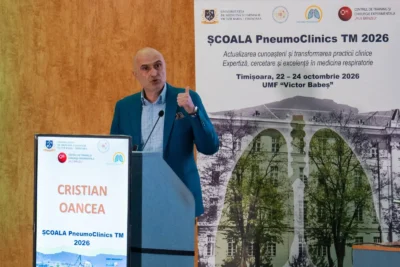
Dr. Cristian Oancea warns that persistent coughing in smokers may be a sign of lung cancer. Learn which warning signs require medical investigation.

Romania’s Parliament approves the Luca Niculescu government. Alexandru Rogobete is set to return as Health Minister, with healthcare funding and CNAS reform among his priorities.

Influenza vaccines for the 2026–2027 season in Romania: trivalent formulations, age groups, doses, contraindications, reimbursement and storage requirements.
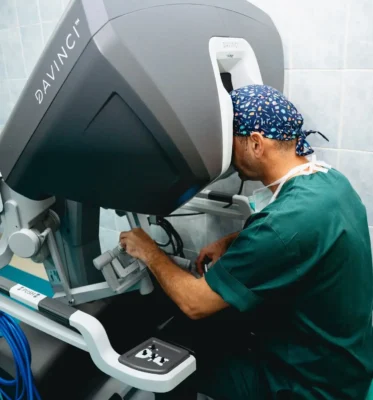
Cluj Oncology Institute has completed its 100th robot-assisted operation, performed on a 59-year-old woman with rectal cancer by dr. Cătălin Vlad’s team.